
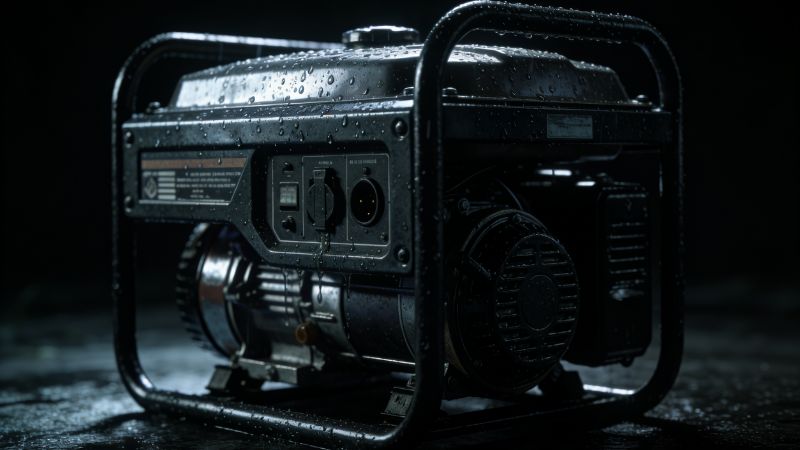
A portable generator can be a lifesaver backup during a power outage caused by a storm. It keeps your lights on, your food cold, and your family comfortable. But placing it in the wrong spot can be deadly.
This guide will show you the safe and unsafe places to put your generator during wild weather.
Why Generator Placement Matters
Generators create carbon monoxide (CO). This is a gas you cannot see or smell. It can enter through small openings like doors, windows, vents, and cracks. And it can make you dizzy, sick, or even kill you in minutes if the generator is placed where the fumes can get inside your home.
Generators also need space for air to flow to keep from overheating. And they must be kept dry to prevent electrocution. The simple act of where you place it is the most important safety step you can take.
General Rules for Generator Placement
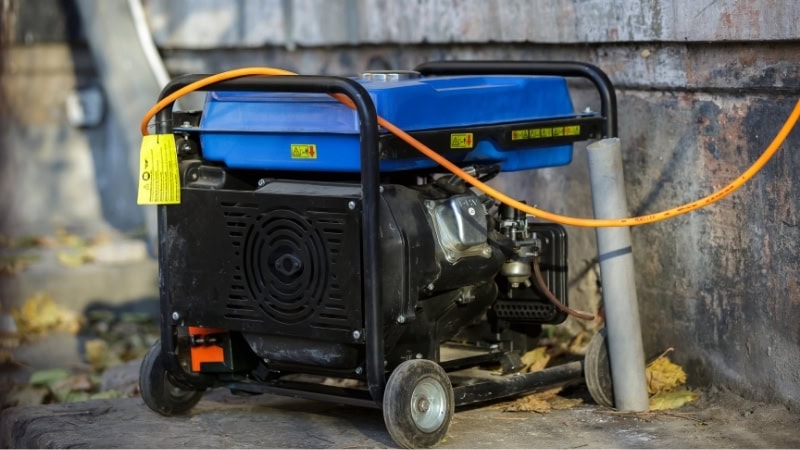
Here are simple rules you should always follow for portable generator safety:
- Always outside.
Neveroperate a generator inside your house, garage, basement, crawl space, or shed. It must be outdoors. - Keep a safe distance.
Place the generator at least 20 feet away from doors and windows. More is better, if possible. - Point the exhaust away.
The metal pipe where the exhaust comes out should face away from your home. - Use a flat, stable surface.
Put the generator on concrete, pavers, a solid deck, or firm ground so it does not tip or move. - Give it breathing room.
Make sure there is open space on all sides so air can move and exhaust can blow away.
These simple rules work for most small, portable generators.
Safe Locations to Put a Generator During a Storm
Here are some examples of good places to put a generator.
Open Area in the Yard
A corner of your yard that is:
- Far from doors, windows, and vents
- Clear of bushes, dry leaves, and trash
- Not in a low spot where water collects
This is often the best choice. If you can, place the generator on a small concrete or gravel pad. This keeps it level and out of mud.
Under a Canopy or Generator Tent
You should protect the generator from heavy rain, but never by closing it in. Good options include:
- A generator-specific tent or cover made to keep off rain while staying open on all sides
- A small roof or awning that covers the top but leaves all sides open for air flow
Bad options include:
- A plastic tarp wrapped tightly around the generator
- A box or closet-like space with only a small opening
On a Concrete or Gravel Pad
If you live in a storm-prone area, it is smart to plan ahead. You can:
- Pour a small concrete pad
- Or lay down pavers or gravel in a level square
This:
- Keeps the generator stable
- Helps prevent it from sinking into mud
- Makes it easier and safer to reach during a storm
Places You Should NEVER Put a Generator
Some locations are always unsafe, even “just for a little while”:
- Inside your home
Never in the kitchen, hallway, bedroom, or any room. - Inside a garage or carport
Even with the door open, carbon monoxide can build up and then leak into the house. - Inside a basement or crawl space
These are closed areas where gas collects easily. - Inside a shed, barn, or enclosed outbuilding
These can trap exhaust too, even if you crack a window or open a door. - Right next to doors, windows, or vents
Exhaust can be pulled inside quickly, especially if fans, furnaces, or AC systems are running. - On a balcony or in an enclosed porch
If you ever think, “It will be fine for a few minutes,” stop. Carbon monoxide can build up very fast. It is never worth the risk.
Weather Considerations (Rain, Snow, Wind)
Storms bring more than just power loss. They bring water, wind, and sometimes snow. These affect where and how you use your generator.
Rain
- Do not run your generator during a hurricane or heavy rain with no cover. Water in outlets or the engine can cause shock or damage.
- Use a proper cover or canopy that keeps rain off the top and leaves the sides open.
- Keep cords and plugs off the wet ground, using a small table, board, or cord hangers if possible.
Snow and Ice
- Place the generator on a raised, solid surface so snow does not block vents or the exhaust.
- Clear snow away from around the generator often.
- Check for ice on outlets and plugs, and keep them dry.
Wind
- In strong wind, try to place the generator on the downwind side of the house so exhaust fumes blow away from your home.
- Make sure it is in a place where branches or other debris are less likely to fall on it.
- Keep the canopy or cover well secured so it does not blow away or fall onto the generator.
How to Use a Generator Safely During Storm Season
Placement is one big part of safety. Here are other simple safety tips for using your generator all storm season:
- Read the manual before the storm.
Know how to start, stop, and refuel it. Learn the maker’s rules about distance and placement. - Install carbon monoxide detectors in your home.
Putcarbon monoxide alarms near bedrooms and on every level of the house. Test them regularly and change batteries as needed. - Use the right extension cords.
- Only use cords labeled for outdoor use.
- Make sure they are heavy-duty and the right size (gauge) for the load.
- Avoid long, thin cords that can overheat.
- Keep cords neat and dry.
- Do not run cords through standing water or across driveways where they can be crushed.
- Avoid sharp bends or pinching cords in doors or windows.
- Shut off and cool before refueling.
Turn the generator off and let it cool for at least a few minutes before adding fuel. Never refuel while it is running or hot. - Do not overload the generator.
- Check how many watts it can handle.
- Plug in only the most important things: fridge, a few lights, phone charger, maybe a small heater or fan.
- If the generator struggles, turn off some items.
- Use a transfer switch if connecting to home wiring.
For connecting the generator to your main panel, always use a transfer switch installed by a qualified electrician.
Never plug a generator into a wall outlet. This is called “backfeeding” and is extremely dangerous. - Consider an Inverter Generator.
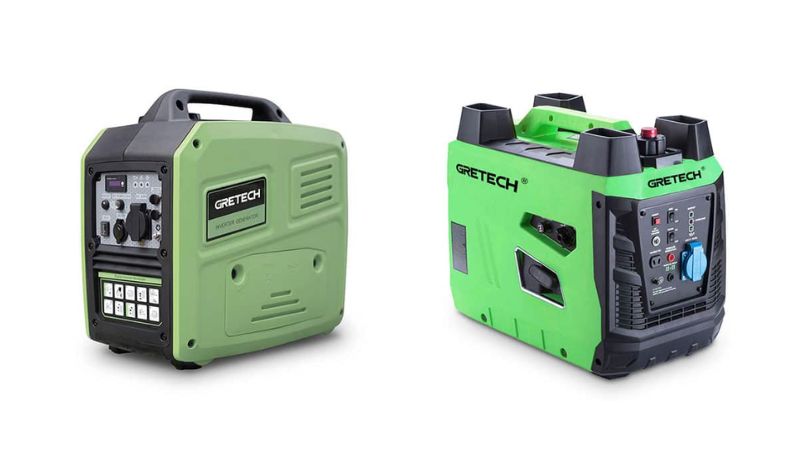
For sensitive electronics, an inverter generator provides cleaner, safer electricity.
Conclusion
Your generator is a powerful tool, but it must be respected. By choosing a spot in your open yard, protecting it with a proper canopy, and following the simple rules, you can ride out the storm with power and peace of mind. Stay safe.