
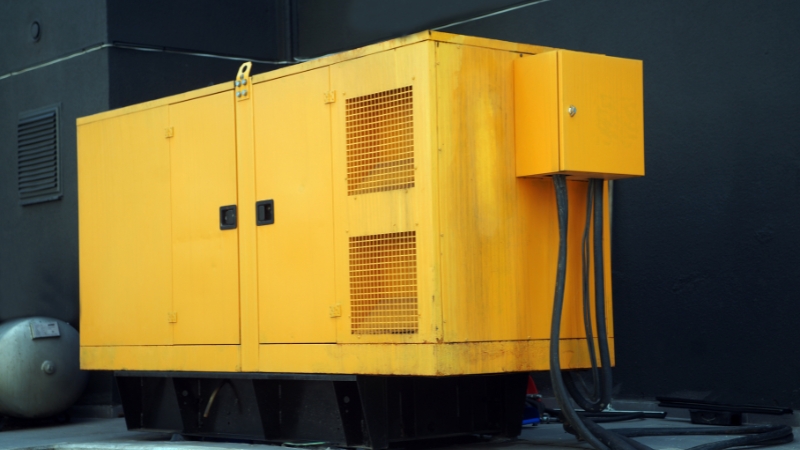
It’s incredibly frustrating when your generator breaks down and you can’t figure out why. Sound familiar? Let’s walk through six of the most common generator problems and their fixes, so you can move from panic to solution.
1. Generator Fails to Start or Struggles to Start
This is the most frequent and heart-sinking issue. You go to start the engine and get nothing but a click or a sluggish crank.
- Likely Culprits: This is almost always a fuel-related problem or a dead battery. Stale fuel (especially in gasoline units), air in the fuel system, or a clogged filter can starve the engine. For diesel generators, gelling in cold weather is a common culprit. Simultaneously, a battery fails due to age or lack of a maintainer, leaving you without the juice to crank.
- The Simple Fix: Check your fuel first—is it fresh, and is the tank adequately filled? For diesel, consider block heaters in cold climates. Next, inspect the battery terminals for corrosion and test the charge. Ensuring your generator has a healthy battery with clean connections resolves a huge percentage of “no-start” situations. Regular maintenance like running your generator monthly under load burns off old fuel and keeps the battery charged by the alternator.
2. It Runs but Produces No Power
The engine fires up perfectly, but your lights stay off and outlets are dead. This points directly to an electrical generation failure.
- Likely Culprits: A tripped circuit breaker on the control panel is the first check. Beyond that, the issue is often a loss of residual magnetism in the alternator windings (common after long storage) or a failed Automatic Voltage Regulator (AVR).
- The Simple Fix: Reset any tripped breakers. If that doesn’t work, consult your manual for a process called “flashing the field” to restore magnetism. For persistent issues, a professional may need to test and replace the AVR.
3. Coolant Leaks and Oil Leaks
Puddles or streaks under your unit are a major red flag. For liquid-cooled industrial generator and commercial generator sets, coolant leaks can lead to rapid overheating, posing a fire risk.
- Likely Culprits: Degraded hoses, loose clamps, or worn seals failingunder high temperatures and pressure cycles. Overfilling crankcase oil can also force leaks.
- The Simple Fix: Regular visual inspections are key. Trace leaks to their source when the unit is cool. Tighten loose clamps and replace brittle, cracked, or soft hoses proactively. Address worn gaskets promptly.
4. Surging, Smoking, and “Wet Stacking”
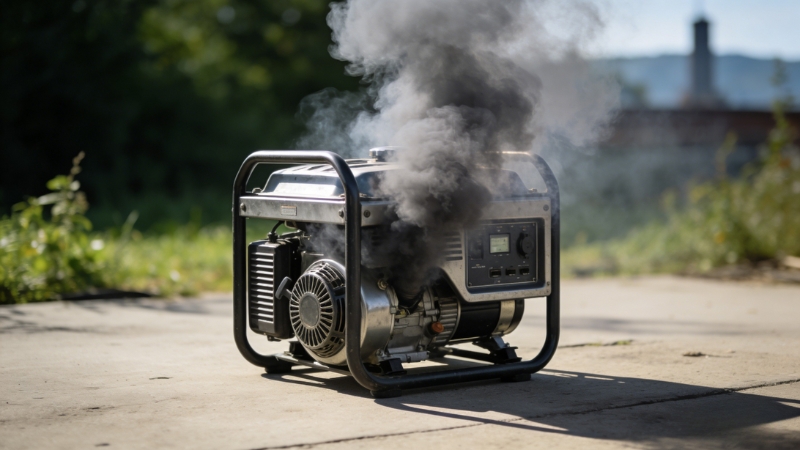
If your generator runs unevenly, surging up and down, or belches black/white smoke, it’s crying for help.
- Likely Culprits: A clogged air filter, contaminated fuel, or a malfunctioning governor. In diesel units, a specific issue is called wet stacking. This occurs when chronic under-loading causes unburned fuel and condensed water to accumulate in the exhaust system.
- The Simple Fix: Replace air and fuel filters. For surging, ensure you’re using clean, stable fuel. Most critically for diesel generator owners: avoiding common low-load operation is essential.
5. Frequent Overheating Shutdowns
Modern generators have safety sensors that cause the generator to shut down automatically when high temperatures are detected. If this happens frequently, it’s a serious warning.
- Likely Culprits: Beyond coolant leaks, the issue is often blocked airflow. Radiator fins or air-cooling vents clogged with dirt, leaves, or debris are common. A faulty water pump, thermostat, or cooling fan can also be the source.
- The Simple Fix: Keep your generator running smoothly by keeping its cooling system pristine. Shut down the unit, let it cool, and thoroughly clean the radiator and all cooling fins. Ensure the area around a permanent generator installation is clear of obstructions. For recurring issues, a technician should check the pump and thermostat.
6. Fuel Contamination and Tank Issues
Fuel-related problems aren’t just about having gas or diesel; it’s about the quality of what’s in your base tank.
- Likely Culprits: Natural thermal expansion and contraction in partially filled tanks draw in moist air, leading to condensed water at the bottom. For diesel, this water breeds microbes that clog the entire fuel system. Stale gasoline turns to gum in the carburetor.
- The Simple Fix: Use fuel stabilizers for gasoline and biocides for diesel if long-term storage is expected. Keep tanks as full as possible to minimize condensation. Install a water-separating filter and check your fuel quality regularly. For large power systems, a professional pump system and filtration maintenance schedule is non-negotiable.
How to Prevent Generator Problems
The thread connecting almost all these common generator problems is neglect. An existing generator is a mechanical device that thrives on care.
- Commit to a Schedule: Don’t wait for a power outage to test your unit. Running a generator under load for 30 minutes monthly flushes old fuel, charges the battery, and reveals small issues before they become big ones.
- Log Your Service: Keep a log for generator maintenance and servicing. Note oil changes, filter replacements, run hours, and any minor observations.
- Know Your Limits: While owners who understand these common reasons for generator failure can prevent 80% of issues, for complex electrical faults, major leaks, or control panel malfunctions, calling a certified technician is the smartest move to prevent the generator from suffering major damage.
Frequently Asked Questions
What is the single most common reason a generator won’t start?
The most likely culprit is stale or contaminated fuel, followed closely by a dead or weak battery.
I stored my generator with old fuel. What should I do before trying to start it?
Do not attempt to start it. First, drain all the old fuel from the tank and the fuel lines/carburetor bowl if possible. Replace it with fresh, stabilized fuel. For gasoline units, you may need to clean or rebuild the carburetor if it’s gummed up. For diesel, check for microbial growth and water contamination.
Is black smoke from my diesel generator an emergency?
While it should be addressed, it’s not always an immediate emergency shutdown issue. Black smoke typically indicates incomplete combustion due to overloading, a clogged air filter, or a faulty injector. Reduce the load if possible and schedule service soon. White smoke (especially when cold) can indicate unburned fuel or coolant entering the combustion chamber, which is more serious.
What is the single most important thing I can do to prevent generator problems?
Consistent, scheduled maintenance. This combines monthly exercise under load, using fresh and stabilized fuel, keeping a clean air filter and cooling system, and following the manufacturer’s service intervals for oil and spark plug changes.