

Generator oil lubricates, cools, cleans, and protects the engine from the inside out. Choosing the right oil and maintaining it properly is the simplest, most powerful way to ensure your generator is ready when you need it most.
This guide is here to help. We’ll walk you through why oil matters, how to pick the right kind, and how to care for it—all in clear, friendly terms. Let’s get started.
Why Is Generator Oil So Important?
Generator oil wears many hats inside that metal casing. Its job is far more complex than just “making things slippery.” Here’s a closer look at the vital roles it plays:
- The Peacekeeper (Lubrication): Inside your generator’s engine, metal parts like pistons and crankshafts move at incredible speeds. Without a protective layer between them, they would grind together, creating friction, heat, and rapid wear.
- The Cool Head (Heat Control): Generators create a lot of heat when they run. Oil acts as a coolant, absorbing heat from the combustion chamber and other hot spots, and carrying it away to the oil pan where it can dissipate. This prevents the engine from overheating and seizing up.
- The Silent Cleaner (Detergency): As your generator runs, it naturally produces byproducts like soot, acids, and microscopic metal particles. Modern oils contain detergents and dispersants that act like tiny sponges, suspending these contaminants and carrying them to the oil filter. This keeps your engine’s interior clean.
- The Protector (Corrosion Prevention): Generators, especially standby units that sit for long periods, are susceptible to moisture and corrosion. Oil coats internal components with a protective layer, shielding them from rust and corrosion that can start even when the engine is off.
In short, good oil doesn’t just help your generator run; it ensures it runs well and runs long.
What Are the Different Types of Oil?
Let’s simplify the three main types of oil you’ll encounter, using an analogy: think of them as different grades of motor oil for different needs and budgets.
1. Conventional Mineral Oil: The Standard Choice
- What it is: This is traditional, refined crude oil. It’s a reliable, cost-effective foundation.
- Best for: Older generator models or generators used very infrequently (like a few hours per year). It performs well under standard conditions but breaks down faster under extreme stress or temperature swings.
2. Full Synthetic Oil: The High-Performance Choice
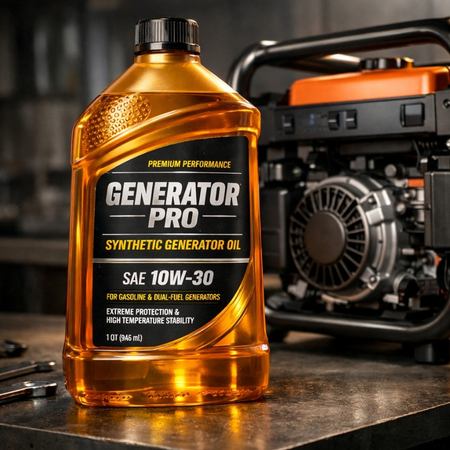
- What it is: Engineered molecule-by-molecule in a lab, synthetic oil is designed for superior performance. It flows better in cold weather, resists breaking down in extreme heat, and provides excellent engine protection.
- Best for: Generators in extreme climates (very hot or very cold), those that see frequent or long runtimes (like during extended outages), or for any owner who wants the absolute best protection for their generators. It often allows for longer intervals between changes.
3. Synthetic Blend Oil: The Thoughtful Middle Choice
- What it is: As the name suggests, it’s a mix of conventional and synthetic oils. It offers some of the benefits of synthetic (like better high-temperature performance) at a lower cost than a full synthetic.
- Best for: Generators that face moderate stress or occasional heavy use. It’s a great upgrade from conventional without the full synthetic price tag.
Understanding the Numbers: What Does 5W-30 or 15W-40 Mean?
This is the oil’s viscosity grade—basically, its thickness and how it flows at different temperatures.
- The number before the “W” (which stands for Winter) tells you how the oil flows in the cold. A lower number (like 5W) flows more easily in freezing temperatures, helping with cold starts.
- The number after the dash (like 30 or 40) tells you how thick the oil is at the engine’s normal operating temperature.
A 15W-40 oil is a very common recommendation for generators. It’s a multi-grade that’s not too thin when hot and not too thick when cold, making it a versatile, year-round choice for many climates.
How to Choose the Right Oil for Your Generator?
Don’t worry—you don’t need to become an oil chemist. Just follow these three simple steps:
Step 1: Check Your Owner’s Manual
This is non-negotiable. Your generator’s manufacturer knows its engine best. The manual will explicitly state the recommended oil viscosity (like 10W-30 or 15W-40) and often the preferred oil type (e.g., API SJ, SL, or SN for gasoline generators). Start here; it’s your most trusted guide.
Step 2: Consider Your Climate
- Cold Climates: If you face harsh winters, an oil with a lower “W” number (like 5W-30 or 10W-30) will circulate more quickly on a cold start, providing protection faster.
- Hot Climates or Heavy Use: In consistently hot weather or during long run cycles, an oil like 15W-40 or a full synthetic 5W-40 will maintain its stability and protection better under high heat.
Step 3: Be Honest About Your Usage
- The Occasional User (Emergency Standby): If you only run your generator for annual tests and the rare outage, a high-quality conventional or synthetic blend may be perfectly sufficient.
- The Frequent or Critical User: If you rely on your generator for extended outages, use it for job sites, or it powers essential equipment, investing in full synthetic oil is a wise decision.
How Often Should You Change the Oil?
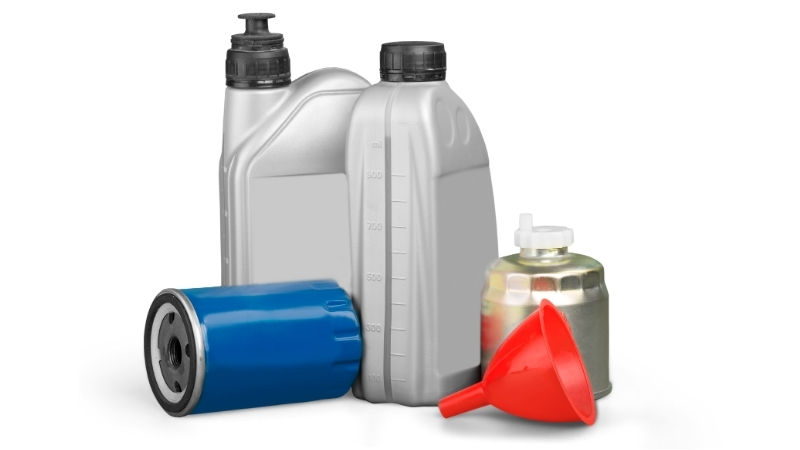
Regular oil changes are the cornerstone of generator care. Old oil becomes sludgy, contaminated, and loses its protective properties. Here’s how to know when it’s time:
The First Change is Special
New or newly rebuilt generators have a break-in period. During the first 20-50 hours of operation, internal components seat themselves, releasing tiny metal particles into the oil. Changing the oil after the first 20-30 hours of operation is crucial to flush out these contaminants.
Ongoing Maintenance Schedule
1. By Running Hours (Most Accurate):
Your manual is your best source. A common standard is:
- Every 50 hours for demanding conditions or older models.
- Every 100 hours for typical use under normal conditions.
- Consult your manual for the precise interval for your model.
2. By the Calendar (For Standby Generators):
This is the critical rule many people miss: Time degrades oil, even if the generator doesn’t run. Moisture can condense inside the engine, leading to acids and sludge. As a firm rule of thumb:
- Change the oil at least once a year, even if you haven’t hit the hour mark.
A Simple Oil Change Checklist
- Run the generator for 5-10 minutes to warm the oil (makes it drain more completely).
- Turn it off and disconnect the spark plug for safety.
- Place a drain pan under the drain plug, remove the plug, and let the oil drain fully.
- Replace the drain plug and install a new oil filter (if your generator has one).
- Refill with fresh oil to the proper level on the dipstick—don’t overfill!
- Properly recycle the used oil at an auto parts store or recycling center.
Frequently Asked Questions
What happens if a generator runs out of oil?
Components like pistons and bearings will overheat, weld together (seize), and cause the engine to stop abruptly. This results in a costly repair or the need for a full engine replacement. Low-oil shutdown sensors are designed to prevent this.
Can I just use the same oil I put in my car?
It depends. You must match the viscosity and API service classification recommended in your generator’s manual. While some automotive oils may overlap, generator-specific oils are often formulated for constant RPM operation.
How do I know if my generator needs oil?
Check the dipstick or sight glass when the generator is on level ground and turned off. If the oil level is below the “Low” mark or not visible in the glass, it needs oil. Many modern units also have a low-oil warning light or automatic shutdown.
My generator doesn’t get used much. Do I still need to change the oil annually?
Yes, absolutely. Over time, oil can absorb moisture from the air, which leads to corrosion inside your engine.
Is synthetic oil really worth the extra cost for my home standby generator?
For most homeowners, it’s a worthwhile upgrade, especially if you experience long outages. It offers better protection during continuous operation and can give you greater peace of mind.
How do I know if something is wrong from looking at the oil?
When you drain the oil, take a glance: A milky or creamy color indicates water/coolant contamination; an extremely black and viscous consistency is normal for diesel engines but may signal an overdue change in a gasoline unit; gritty texture or metallic flakes suggest internal wear.