
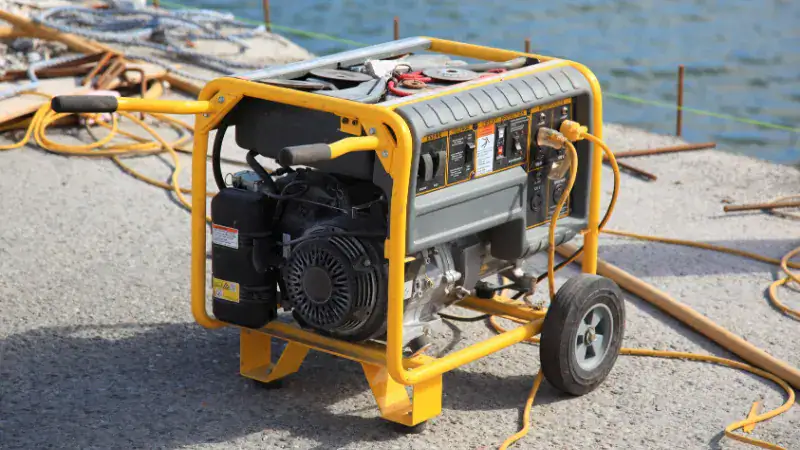
Repairing a power generator can range from simple generator maintenance tasks to more complex electrical troubleshooting. Before you begin, always prioritize safety: work in a well-ventilated area, disconnect the spark plug, and let the engine cool completely.
Here is a step-by-step repair guide to diagnosing and fixing the most common portable or standby generator problems.
Problem 1: The Generator Won’t Start
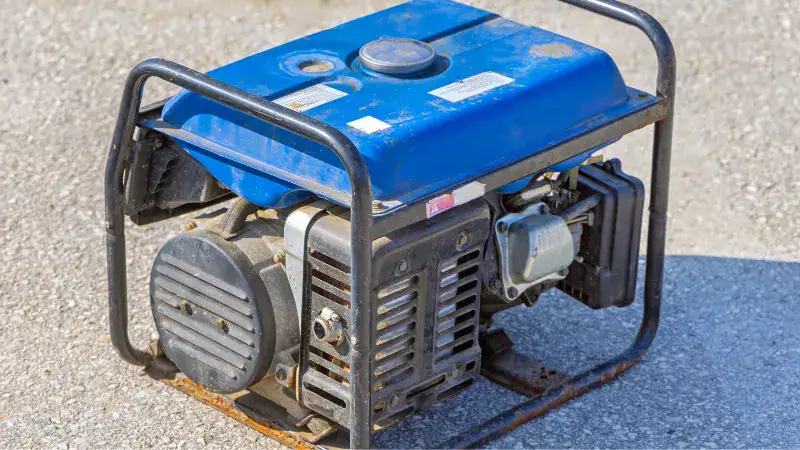
This is the most common complaint. When an engine refuses to start, it is often due to issues with fuel, the battery, or the engine’s ignition system.
Fuel System Issues
- What You’ll Notice: The engine cranks but fails to fire, or it starts briefly and then immediately stalls. You may also smell stale or varnish-like fuel near the carburetor.
- The Fix: Drain old, degraded fuel and replace it with fresh fuel. Check for blockages or leaks in the fuel lines. Clean or rebuild the carburetor if it’s gummed up.
Battery Problems (Electric Start)
- What You’ll Notice: Pressing the electric start button produces a clicking sound, a slow crank, or no response at all. The starter motor may turn sluggishly before giving up.
- The Fix: Clean any corrosion from the battery terminals. Use a multimeter to check the voltage (a healthy 12V battery should read ~12.6V). Charge or replace the battery if it’s low.
Engine Troubles
- What You’ll Notice: The engine turns over but won’t catch, or you hear a weak, inconsistent spark. In some cases, there’s a noticeable lack of the sharp “pop” sound associated with ignition.
- The Fix: Remove and inspect the spark plug. Replace it if it’s fouled or worn. For a diesel engine, check the glow plugs.
Low Oil Levels
- What You’ll Notice: The generator refuses to start and the oil indicator light (if equipped) is illuminated. There are no other obvious mechanical symptoms — the engine simply won’t engage.
- The Fix: Many generators have a low-oil sensor that will prevent the engine from starting. Check the oil level using the dipstick and add oil if needed.
Problem 2: The Generator Runs but Produces No or Low Power
If the engine runs fine but your appliances don’t get power, the problem is likely in the electrical generation side.
Tripped Breaker
- What You’ll Notice: The engine sounds normal and runs smoothly, but plugged-in devices receive no power. The outlet panel may show a tripped or off-position breaker switch.
- The Fix: This is the simplest fix. Locate the generator’s outlet circuit breaker and reset it.
Loss of Residual Magnetism
- What You’ll Notice: The engine runs at its correct speed, but the generator produces little to no voltage output. This typically happens after a long period of storage without use.
- The Fix: If a generator sits unused for a long time, the rotor can lose its magnetism needed to start generating power. You can fix this by “flashing the field” using a 12V battery. This simple repair can help restore function to the machine.
Worn Brushes
- What You’ll Notice: Output voltage is unstable, fluctuating, or gradually drops over time even under a steady load. You may also notice sparking or unusual electrical noise from the generator head.
- The Fix: The carbon brushes that transfer voltage to the rotor can wear down over time. Inspect them and replace them if they appear worn or damaged.
Faulty Voltage Regulator
- What You’ll Notice: Connected devices behave erratically — lights flicker, appliances cycle on and off, or sensitive electronics shut down due to irregular voltage. A multimeter will confirm the output is outside the normal range.
- The Fix: This device controls the output voltage. If it fails, your generator won’t produce stable and reliable power. It’s a common point of failure and is often easy to replace.
Problem 3: The Generator is Leaking Fuel
A fuel leak is a serious fire hazard that must be addressed immediately. Do not attempt to run the generator.
Worn Carburetor Bowl Gasket
- What You’ll Notice: Fuel drips steadily from the bottom of the carburetor, especially after the engine has been sitting. You may notice a fuel stain or wet spot directly beneath the carburetor bowl.
- The Fix: The gasket that seals the bottom of the carburetor can wear out. Replace it with a new OEM gasket to stop the leak.
Defective Float Assembly
- What You’ll Notice: Fuel overflows from the carburetor’s air intake or overflow tube, even when the engine is off. The carburetor bowl may appear constantly full or flooded.
- The Fix: The float in the carburetor bowl controls the fuel level. If its needle is stuck or damaged, the bowl can overflow. Replace the float or needle valve.
Cracked or Loose Fuel Line
- What You’ll Notice: You see wet spots or fuel residue along the rubber hose running from the tank to the carburetor. The smell of fuel may be noticeable without an obvious pooling source.
- The Fix: Inspect the rubber fuel lines for cracks. Replace any damaged lines; do not attempt to patch them with tape.
Damaged Fuel Tank
- What You’ll Notice: Fuel puddles beneath the tank itself rather than near the carburetor or fuel lines. The crack or damage may be visible on inspection, or you may notice the tank level dropping unusually fast.
- The Fix: A cracked fuel tank is a common source of leaks. It will need to be replaced, as patches are usually a temporary fix.
Problem 4: The Generator is Overheating
Overheating causes the generator to shut down or run at a reduced capacity to protect itself.
Low Oil Level
- What You’ll Notice: The generator suddenly shuts off mid-operation, especially under load. The engine may feel excessively hot to the touch, and the low-oil warning light may activate just before shutdown.
- The Fix: Check the oil level. Low oil can cause the engine to overheat and also trigger the low-oil shutdown sensor. Perform an oil change if the oil is old or low.
Dirty or Blocked Cooling System
- What You’ll Notice: The generator runs hotter than usual and may shut down after extended use. Airflow around the unit feels restricted, or you can visibly see debris, dust buildup, or clogged fins on the engine casing.
- The Fix: A clogged air filter, dirty cooling fins, or a blocked radiator (on larger units) can restrict airflow. Clean or replace the air filter and clear any debris from the generator’s exterior.
Low Coolant (Liquid-Cooled Models)
- What You’ll Notice: The coolant temperature gauge reads high, or the high-temperature warning light illuminates. The generator may go into a protective shutdown, and you may notice the coolant reservoir sitting below the minimum line.
- The Fix: If your generator is liquid-cooled, check the coolant level and top it off if necessary.
Routine Maintenance to Prevent Generator Problems
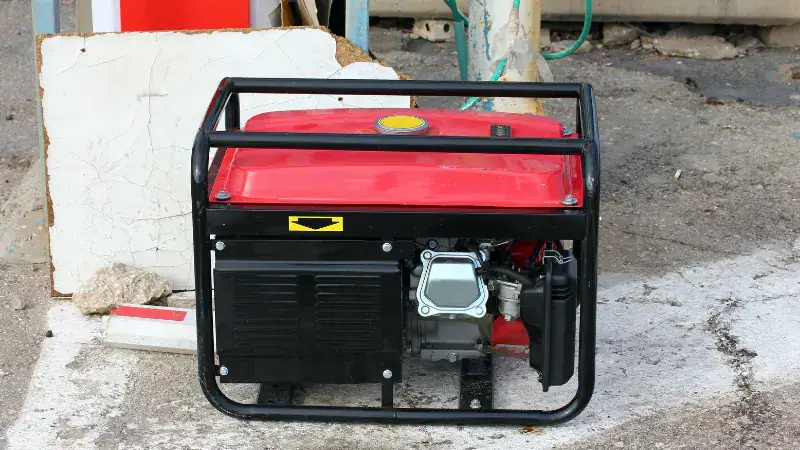
The truth about repairing your generator is that you should rarely need to do it. Most of the issues listed above can be avoided with a simple maintenance routine. Following the manufacturer’s guidelines will maximize your generator’s lifespan.
| Maintenance Task | Frequency |
|---|---|
| Check/Change Oil | Check before each use. Change after the first 20-30 hours, then every 50-100 hours or annually. |
| Inspect/Replace Air Filter | Check every few months and replace when dirty. |
| Inspect Spark Plug | Check annually and replace if worn or fouled. |
| Fuel System Care | Use a fuel stabilizer if storing for more than 30 days. For long-term storage, run the carburetor dry. |
| Exercise the Generator | Run the generator for 20-30 minutes under a load every 1-3 months to keep it in good condition. |
When to Call a Pro
While many generator repairs are DIY-friendly, there is a line you shouldn’t cross. If you have diagnosed the problem and it involves rewiring the main breaker panel, repairing a complex inverter module (for inverter generators), or if you are uncomfortable removing the generator head (the part that makes electricity), it is time to call a certified technician or a professional repair service. A qualified expert can safely connect complex components and ensure your power generator is truly ready for the next outage.
FAQs
Why does my generator start but then shut off after a few minutes?
This often indicates low oil, a clogged fuel filter, or a dirty carburetor. If your generator doesn’t stay running, check the oil level first. Another solution is to clean or rebuild the carburetor. A generator may also shut off due to overheating from poor ventilation.
Is it worth repairing an old generator, or should I buy a new one?
If repair costs exceed 50-70% of a new unit’s price, recommend buying a new brand model. However, simple fixes like a replacement carburetor or spark plug are worthwhile. A well-maintained generator may last 10-20 years with proper care.