
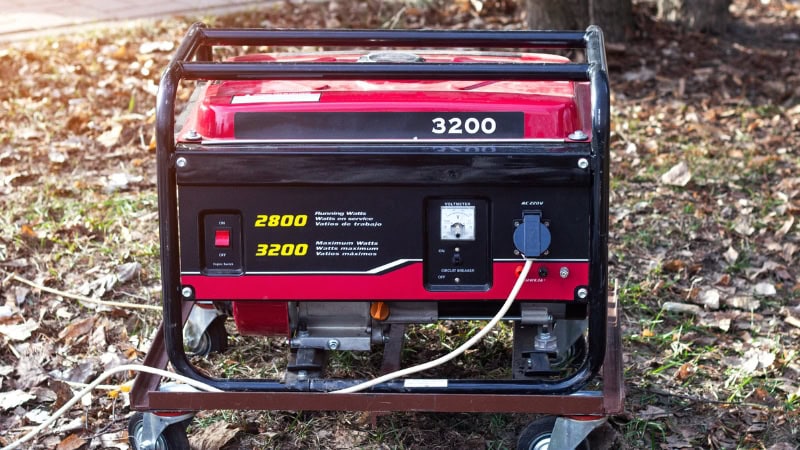
Portable generators are versatile tools that provide a temporary source of electricity by burning fuel (usually gasoline, propane, or diesel) to run an internal combustion engine. They are a popular choice for emergency backup power during a power outage, job sites, and recreational activities like camping.
Here is a comprehensive breakdown of the pros and cons of portable generators.
Pros of Portable Generators
The main advantage of a traditional portable generator is its mobility.
Mobility
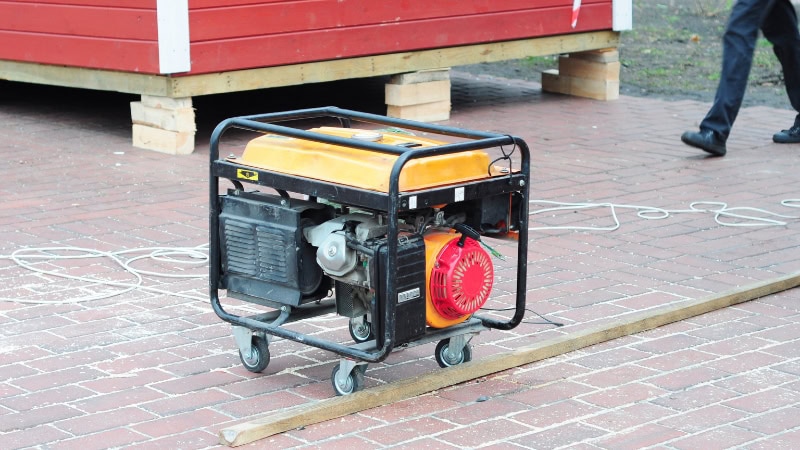
As the name implies, these units are designed to move. You can use the same generator to power your refrigerator during a power outage, run power tools at a remote construction site, or power a stereo at a tailgate party. And when not in use, they can be stored in a shed or garage, freeing up yard space.
Affordability
Portable generators are significantly cheaper than whole-home generators. While a permanently installed generator can cost between 5,000 USD and 15,000 USD (including installation), a capable portable generator usually ranges from 500 USD to 2,000 USD. This makes them the most accessible entry point for emergency power.
No Professional Installation Required
Unlike standby generators, which require concrete pads, permits, and professional electrical and plumbing work, a portable generator is essentially “plug-and-play.” You simply fill it with fuel, start the engine, and plug your appliances directly into the unit via heavy-duty extension cords.
Fuel Flexibility (Dual-Fuel Models)
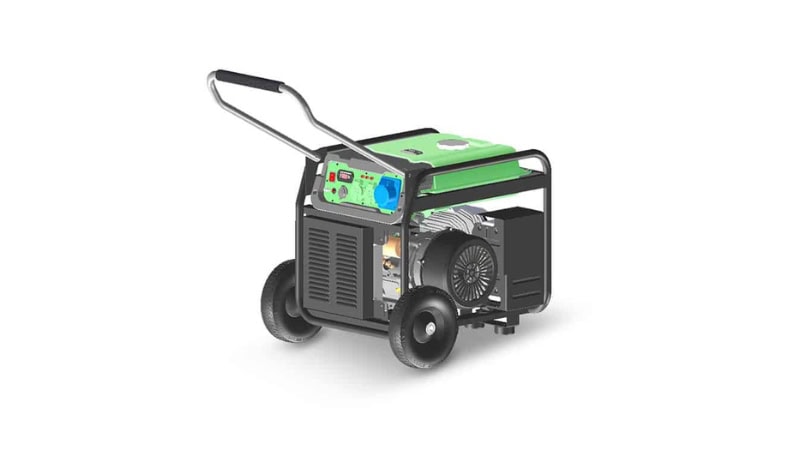
Many modern portable generators are “dual-fuel,” meaning they can run on either gasoline or liquid propane. Propane is an excellent backup because it has an indefinite shelf life and does not gum up the carburetor like old gasoline does, making the unit more reliable after long periods of storage.
Essential Emergency Power
In a blackout, a mid-sized portable generator (5,000 to 7,500 watts) provides enough power to keep critical survival appliances running. This typically includes a refrigerator/freezer, a sump pump to prevent flooding, a few lights, and a fan or space heater.
Cons of Portable Generators
Despite their advantages, portable generators come with significant drawbacks.
Carbon Monoxide (CO) Danger
This is the most critical disadvantage. Portable generators emit high levels of carbon monoxide, a colorless, odorless, and deadly gas.
- Strict Placement: They must be operated outdoors, at least 20 feet away from the home, and never in a garage or enclosed porch.
- Weather Exposure: Because they must be outside, you and the unit are exposed to the elements (rain, snow) while setting it up.
Noise Levels
Standard portable generators are loud. A typical open-frame generator operates at 70 to 80 decibels, which is equivalent to a vacuum cleaner or a busy highway. This can be disruptive to you and your neighbors, especially if power is out for several days.
Manual Operation and Setup
Portable generators are not automatic. When the power goes out, you must:
- Haul the generator outside (often in bad weather).
- Manually fill it with fuel.
- Start the engine via a pull-cord (though many now have electric push-button starts).
- Run extension cords through a window or door to your appliances.
Limited Run Time and Refueling
A portable generator is limited by the size of its fuel tank. Most will run for 8 to 12 hours at 50% load. This means you will likely have to wake up in the middle of the night to refuel it if you want continuous power. Furthermore, refueling a hot engine is dangerous and requires letting the unit cool down first.
“Dirty” Power (Total Harmonic Distortion)
Standard open-frame generators often produce electricity with high Total Harmonic Distortion (THD). This “dirty” power can cause overheating or malfunction in sensitive modern electronics, such as laptops, smart TVs, and HVAC control boards. To power these safely, you usually need a specific type of portable generator called an Inverter Generator.
Comparison: Standard vs. Inverter Portable Generators
It is important to distinguish between the two main types of portable generators, as their pros and cons differ slightly.
| Feature | Standard Portable Generator | Inverter Generator |
|---|---|---|
| Power Output | High (often 5,000w – 12,000w) | Lower to Mid (2,000w – 9,000w) |
| Fuel Efficiency | Lower (engine runs at constant speed) | High (engine throttles based on demand) |
| Noise | Loud (constant roar) | Quiet (often conversational level) |
| Power Quality | High THD (unsafe for sensitive tech) | Low THD (clean power for laptops/phones) |
| Price | Affordable | Expensive (often 2x the price per watt) |
Comparison: Portable vs. Whole-House Generators
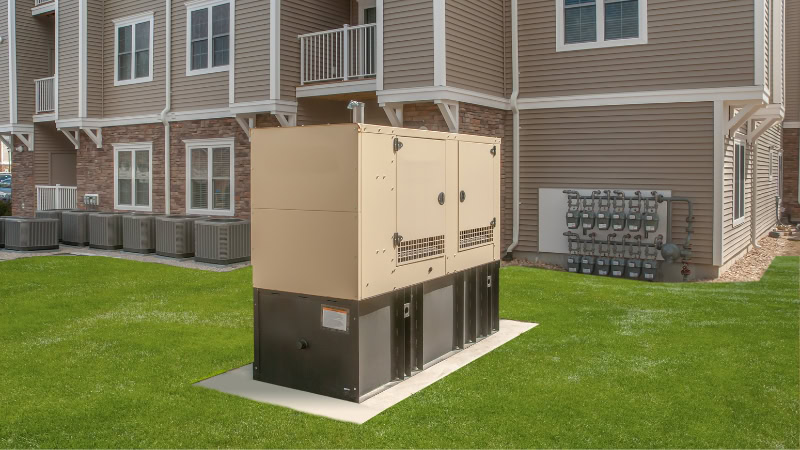
| Feature | Portable Generator | Whole-House Generator |
|---|---|---|
| Activation | Manual: You must drag it out, plug it in, and start it. | Automatic: Detects outages and turns on within seconds automatically. |
| Fuel Source | Gasoline, Diesel, or portable Propane tanks. Requires manual refueling. | Natural Gas or large Propane tank. Connected directly to the home’s fuel supply. |
| Run Time | Limited: Runs 6–12 hours per tank. Must shut down to refuel and cool. | Indefinite: Runs as long as the fuel supply (utility line) lasts (days or weeks). |
| Power Output | Lower (3kW – 12kW): Powers select appliances via extension cords. | Higher (10kW – 26kW+): Powers the entire home, including central AC and heat. |
| Installation | None: Plug-and-play setup. Optional transfer switch recommended. | Complex: Requires concrete pad, professional electrical/plumbing work, and permits. |
| Noise Level | Loud: 70–80+ decibels (similar to a lawnmower or heavy traffic). | Quieter: 60–70 decibels (similar to a conversation or dishwasher). |
| Maintenance | Frequent: Oil changes every 50–100 hours of use; fuel stabilizer required for storage. | Periodic: Weekly automatic self-tests; annual professional servicing recommended. |
| Cost (Unit + Install) | 500 USD – 2,500 USD | 5,000 USD – 15,000 USD+ |