
A power outage rarely announces itself politely. The lights flicker, the freezer hums quiet, and the questions start: how long will this last, and what will run the refrigerator until it does? For homeowners weighing backup power, the choice between a dual-fuel generator and a tri-fuel generator often comes down to one practical detail: what fuel is actually available when the grid goes down.
A dual-fuel generator runs on gasoline or propane, while a tri-fuel generator adds natural gas, giving households with a gas line a third, often more convenient, option during outages. Neither type guarantees the same power output on every fuel, and that gap matters more than most buying guides admit.
This comparison walks through how each design switches fuels, what changes in output and runtime, and how to size a unit for the appliances that matter most during an outage. For readers exploring generator configurations before buying, gretechpower’s product lineup is a reasonable starting point for comparing fuel options side by side.
Dual-Fuel vs Tri-Fuel Generators: Key Difference
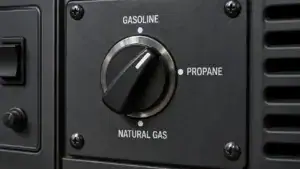
Dual-fuel and tri-fuel generators both let the operator switch fuels instead of relying on one source. The difference is which fuels each design supports and how the switch happens mechanically.
What Is a Dual-Fuel Generator?
A dual-fuel generator runs on gasoline or propane, controlled by a fuel selector switch on the control panel. It ships with a carburetor built to handle both fuels, so no extra parts are needed to change from one to the other.
Most homeowners buy dual-fuel models for the balance they offer. Gasoline delivers the strongest output, while propane stores for years without going bad.
What Is a Tri-Fuel Generator?
A tri-fuel generator adds natural gas to the gasoline-and-propane mix, usually through an aftermarket conversion kit or a factory-installed hookup. This third option matters most for homeowners with a natural gas line already running to their property.
A single-fuel generator, by comparison, only accepts one fuel type. It costs less upfront but leaves no backup plan if that fuel runs short during a multi-day outage.
How Fuel Switching Works
Switching fuels on a dual-fuel or tri-fuel generator does not require tools or a rebuild. The operator turns off the engine, moves the fuel selector switch to the new fuel, and connects the matching supply line or tank.
Tri-fuel units add one more step: connecting to a natural gas line through a regulator or quick-connect fitting. Anyone comparing dual-fuel generator pros and cons before buying will notice this switching simplicity is one of the strongest selling points of both designs.
How Do Gasoline, Propane, and Natural Gas Compare?
Each fuel trades power output for storage convenience, and none of the three wins on every measure. Gasoline produces the most power per gallon but degrades in storage; propane stores indefinitely but delivers less output; natural gas offers steady runtime but depends entirely on a working utility connection.
Gasoline: Maximum Output With More Storage Maintenance
Gasoline gives a generator its highest rated output because it carries the most energy density of the three fuels. A generator’s full wattage rating is almost always based on gasoline performance.
The tradeoff shows up in storage. Gasoline degrades within a few months without a fuel stabilizer, and stored fuel needs rotation or treatment to stay usable. For readers planning fuel storage and rotation schedules, choosing the best fuel type for your generator covers the maintenance side in more depth.
Propane: Long-Term Storage and Portable Backup Flexibility
Propane stores for years without breaking down, making it the most forgiving fuel for emergency preparedness. A sealed propane tank or propane cylinder can sit untouched for a long stretch and still work when needed.
The cost of that convenience is output. Propane typically derates a generator’s gasoline-rated wattage by roughly 10%, since it carries less usable energy per unit than gasoline. Runtime depends on tank size. How long a generator runs on propane breaks down runtime by tank size for anyone planning fuel needs for a multi-day outage.
Natural Gas: Convenient Runtime With Utility Dependence
Natural gas offers the longest practical runtime because it draws straight from the home’s natural gas service instead of a tank that runs dry. As long as the utility line stays pressurized, the generator keeps running without refueling.
That convenience comes with a real limitation: natural gas infrastructure can fail during major storms, earthquakes, or utility outages, cutting off supply exactly when it’s needed most. Natural gas also derates output more than propane, typically by 20% to 25% versus the gasoline rating, because it carries even less energy density. Readers deciding between fuel types for a fixed installation may want to also review natural gas generator features and uses or compare diesel versus natural gas generators before settling on one setup.
| Factor | Gasoline | Propane | Natural Gas |
|---|---|---|---|
| Output vs. rated wattage | 100% (baseline) | ~90% | ~75-80% |
| Storage life | Months (with stabilizer) | Years | Unlimited (utility-fed) |
| Refuel needed | Yes | Yes (tank swap) | No, if line stays active |
| Cold weather performance | Good | Fair | Good |
| Supply risk | Station shortages | Tank runs dry | Utility outage |
How Much Generator Capacity Do You Need?
Generator capacity depends on the combined running watts of everything plugged in, plus the highest starting watts needed at any single moment. Undersizing a generator is one of the most common and costly mistakes homeowners make when buying backup power.
Running Watts, Starting Watts, and Surge Capacity
Running watts are the steady power an appliance needs once it’s already on. Starting watts, sometimes called surge capacity, are the short burst of extra power many motors need just to start up, often two to three times their running wattage.
A generator’s rated wattage must cover the running watts of everything operating at once, plus the highest single starting watt spike. Missing this distinction is why a generator that looks “big enough” on paper still stalls when a refrigerator compressor kicks on.
Sizing for Refrigerators, Freezers, and Well Pumps
Refrigerators, freezers, and well pumps carry some of the highest starting watt demands in a typical home. A refrigerator might run at 200 watts but spike to 600 watts or more on startup; a well pump can spike even higher depending on horsepower.
Well pumps deserve extra attention because a generator that can’t cover the pump’s starting surge means no running water during an outage, not just no lights. For a full walkthrough of load math for specific appliances, what size generator do you need for home backup is worth reviewing before buying.
When an Inverter Generator Is the Better Fit
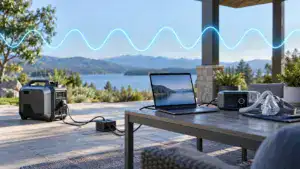
An inverter generator is the better choice when sensitive electronics are part of the load plan. Inverter generators produce cleaner power, with lower total harmonic distortion (THD), which protects laptops, medical devices, and other electronics that standard portable generators can damage with rougher power output.
Standard portable generators still make sense for higher-wattage jobs like running a well pump or several large appliances at once. Pros and cons of inverter generators covers the tradeoff between clean power and raw output in more detail.
Home Connection, Operation, and Safety Requirements
Connecting a generator to a home safely requires the right hardware, not just the right fuel. A transfer switch, proper outdoor placement, and correct fuel storage all affect whether a generator setup is safe and legal to use.
Natural Gas Hookups and Compatible Connections
A natural gas hookup for a tri-fuel generator uses a dedicated line, a pressure regulator, and often a natural gas quick-connect fitting for fast setup during an outage. This connection should be installed by a qualified professional familiar with local fire codes, since gas line work carries real risk if done incorrectly.
Homeowners planning this setup ahead of an outage, rather than during one, have more time to get the installation done right.
Transfer Switch Options for Home Backup Power
A transfer switch connects a generator to the home’s electrical panel without the risk of backfeeding power into utility lines. A manual transfer switch requires flipping breakers by hand, while an automatic version switches over on its own when the power drops.
For most homeowners connecting a generator to specific circuits, how to hook up a generator to your house walks through the wiring basics and switch options in plain terms.
Outdoor Placement, Carbon Monoxide, and Fuel Storage Safety
A generator must run outdoors, well away from windows, doors, and vents, because carbon monoxide from the exhaust can build up quickly in enclosed spaces. Local fire codes often set minimum distances from the home, and following them protects against both carbon monoxide risk and fire hazard.
Propane tanks and propane cylinders need to be stored upright, outdoors, and away from direct heat sources. Where to put a generator during a storm covers placement rules specific to severe weather conditions.
How to Match a Generator to Your Outage Plan
The right generator depends on outage length, fuel access, and how the unit will be used beyond emergency backup. A dual-fuel model suits most homeowners without a natural gas line, while a tri-fuel model earns its added cost when that line is already in place.
When a Dual-Fuel Model Makes More Sense
A dual-fuel generator fits homeowners who don’t have natural gas service or who move the generator between locations, like a rural property, a rental, or a jobsite. Gasoline and propane are available almost everywhere, which keeps the fuel plan simple without a fixed gas hookup.
Rural and remote locations, where hurricanes or ice storms can knock out both power and gas infrastructure for extended stretches, are also better served by a fuel plan that doesn’t lean on utility gas at all.
When a Tri-Fuel Model Earns Its Added Cost
A tri-fuel generator earns its higher price when a home already has a natural gas line and expects outages to last several days or longer. Tri-fuel units typically cost $100 to $300 more than a comparable dual-fuel model, and that premium buys freedom from tank refills for as long as the gas utility stays operational.
That said, natural gas infrastructure isn’t immune to the same storms causing the outage, so a tri-fuel owner still benefits from keeping gasoline or propane as a backup option.
Portable Uses for Camping, RVing, and Jobsites
Portable dual-fuel and tri-fuel generators also serve camping, RVing, and construction sites where outlet access isn’t an option. Jobsite generators favor gasoline for raw output, while RVers often prefer propane for its clean burn and easy long-term storage in a vehicle.
Generators for construction sites covers sizing and fuel choices specific to jobsite conditions, where power demands and duty cycles look different from home backup use.
How to Choose the Right Fuel for Your Backup Generator
Fuel flexibility only pays off when it matches how a home or property is actually used. A homeowner with a gas line and long outage history gets real value from tri-fuel capability, while someone without utility gas access is better served keeping things simple with a dual-fuel setup.
Load planning still comes first, regardless of fuel choice. A generator sized wrong for the refrigerator, freezer, or well pump on the property won’t perform well no matter which fuel powers it.
Reviewing fuel logistics, expected outage length, and required running and starting watts before buying prevents the most common regret homeowners report after a storm: a generator that can’t cover what it needs to. Exploring generator configurations through a resource like gretechpower’s product lineup can help match backup power capacity to a household’s specific emergency power needs.
Ready to explore fuel-flexible backup power?
If you’re weighing a dual-fuel or tri-fuel setup for home backup, here are a few places to start:
-
JLY-7000 Tri-Fuel Generator — Runs on LPG, natural gas, or petrol. 6000W rated on LPG/petrol, 5200W on natural gas. A solid entry point if you want fuel flexibility without stepping up to a full tri-fuel inverter.
-
JLY-4000IW Tri-Fuel Inverter Generator & Welder — Pure sine wave output for sensitive electronics, plus 160A welding capability. LPG/natural gas/petrol compatible. A good fit if your backup plan includes tools or jobsite use.
-
JLY-8000 Tri-Fuel Inverter Generator — 8000W rated output with clean inverter power. Suited for larger home loads where refrigerator, freezer, or well pump starting watts are part of the equation.
Not sure which fuel type fits your outage plan?
Contact us for pricing and recommendations →
Tell us your essential loads and available fuel, and we’ll help you match the right configuration.